
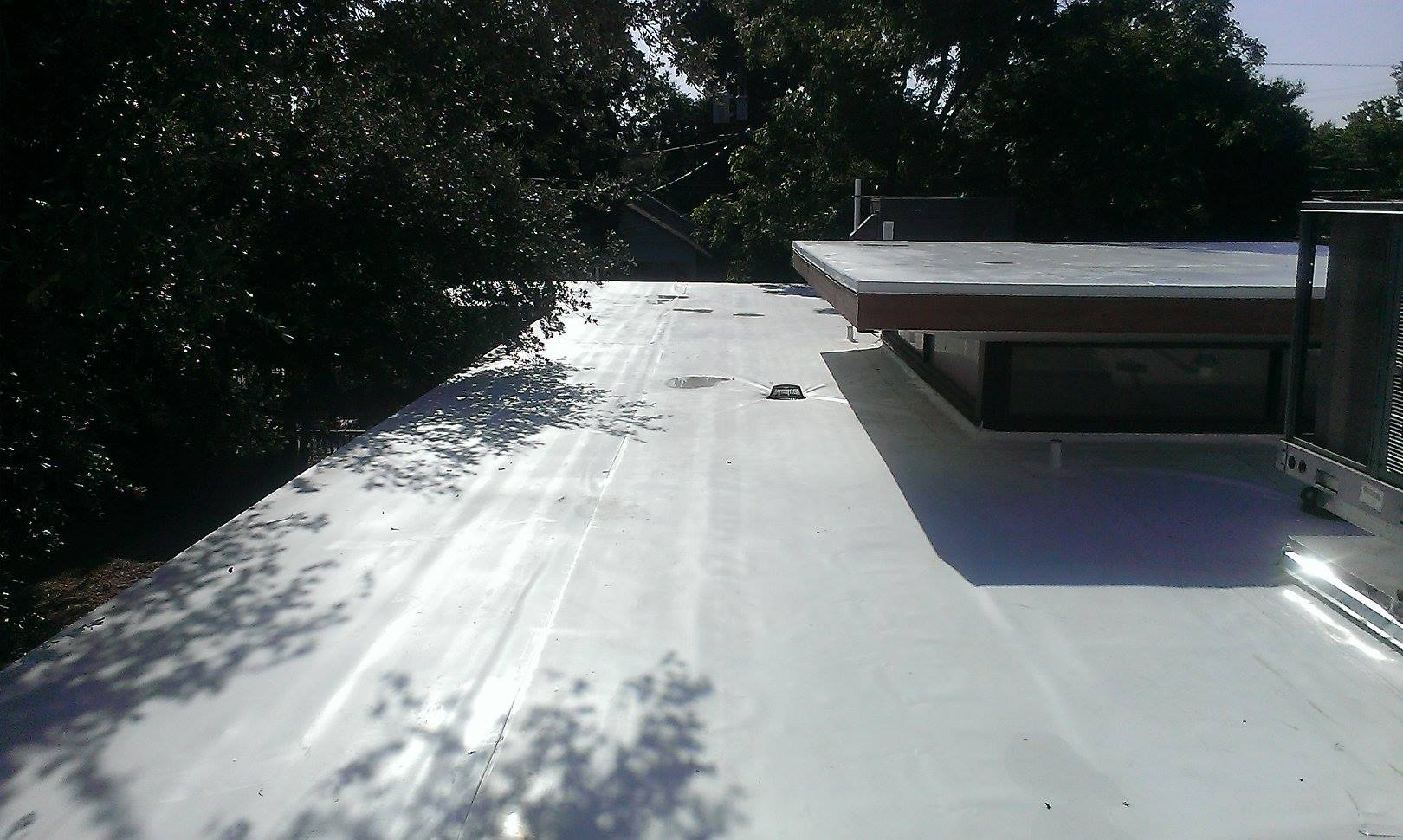
Low-slope roofing, properly drained
Flat roofs depend on details you cannot ignore.
Single-ply membrane installation, repair, and replacement for commercial and industrial low-slope properties.
Serving Houston since 1981Repair-first recommendationsHouston + Bryan / College StationFree on-site estimates
What CRC brings to the roof
Flat roofs demand careful attention to seams, drainage, curbs, penetrations, edges, and rooftop equipment. CRC evaluates the complete water path before recommending a repair, restoration, or new membrane system.
The inspection connects the visible concern to the surrounding roof, drainage, penetrations, material condition, and the way the property is used.
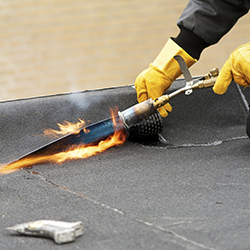
A practical roofing scope
Decisions built around service life and property use.
CRC explains the condition, the available routes, and what each option is intended to accomplish.
Drainage and ponding areas included in the assessment
Repair options matched to the existing membrane
Low-disruption planning for occupied properties
From inspection to completion
A clear four-step path.
- 01
Property conversation
Share the concern, timing, building use, and any known roof history.
- 02
On-site assessment
The roof and likely failure points are reviewed as conditions allow.
- 03
Options and estimate
CRC outlines the practical repair, restoration, retrofit, or replacement path.
- 04
Scheduled roofing work
The approved scope is coordinated around access, safety, and the property.
Ponding can result from drainage blockages, settlement, insulation or deck slope, or an undersized drainage path. The cause should be evaluated before choosing a repair.
Yes, when the membrane and surrounding assembly can support a durable repair. Widespread moisture, age, or repeated failures may point toward restoration or replacement.
Single-ply roofing uses flexible membrane sheets that are joined and detailed to create a continuous weather-resistant surface on low-slope roofs.